

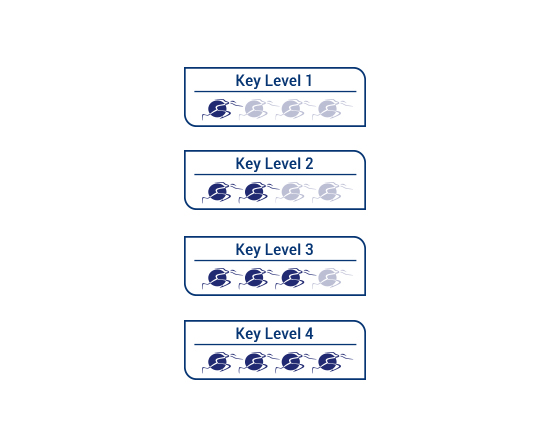
Prosthetic Knee Joint Key Level Selection Guide
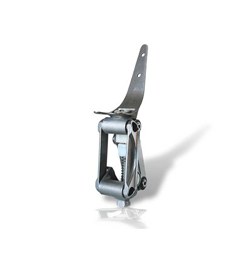
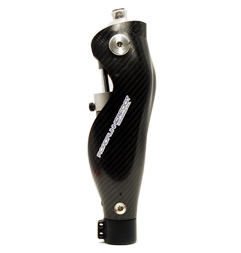
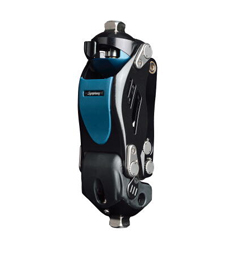
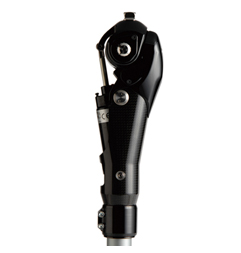
Choosing the correct knee joint reduces the patient’s fatigue over the day. Foot and knee must work together to deliver good performance, so a carbon fiber foot should always be paired with the knee. As with feet, mechanical knees offer different performance at different key levels.
- Key level 1 — locked knee and single axis knee
- Key level 2 — polycentric knees
- Key level 3 — polycentric pneumatic knees
- Key level 4 — hydraulic and hybrid knees
- Range spans from a very safe low mobility locked knee, through polycentric knees with different CIR trajectories, to pneumatic and hydraulic devices
- Pair the knee with a Roadrunnerfoot carbon fiber foot of the matching key level for consistent performance

Limited and unlimited household ambulation.
Level surfaces.
Fixed cadence.
Transfers and therapeutic use.
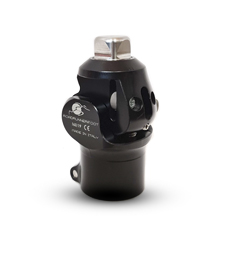


Limited community ambulation.
Able to traverse low-level environmental barriers (curbs, ramps, stairs, uneven surfaces).
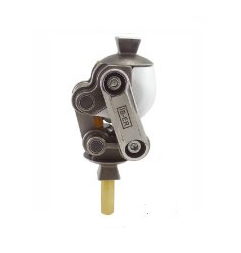
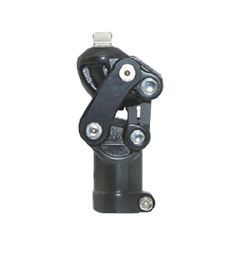

Community ambulation. Variable cadence gait (or potential).
Most environmental barriers.


Bilateral involvement.
Active adult.
Athletes.
Children.
Exceeds basic use.
Key specifications
| Content Type | Selection guide — prosthetic knee joints by mobility level |
| Mobility Levels Covered | K1, K2, K3, K4 |
| Knee Technologies Covered | Locked, single axis, polycentric, polycentric pneumatic, hydraulic, hybrid |
| Assessment Method | Amputee Mobility Predictor; CIR trajectory analysis versus load line |
| Selection Principle | Knee and foot matched to the same key level |
Ordering and technical support
Designed and manufactured in Italy by Roadrunnerfoot Engineering S.r.l. The full range is listed in the Roadrunnerfoot 2025 catalogue. Orthopedic technicians, clinics and international distributors can request technical data sheets, product codes, pricing and fitting support from our team.